
What Content Marketing Actually Is (And Why It Matters for Your Business)
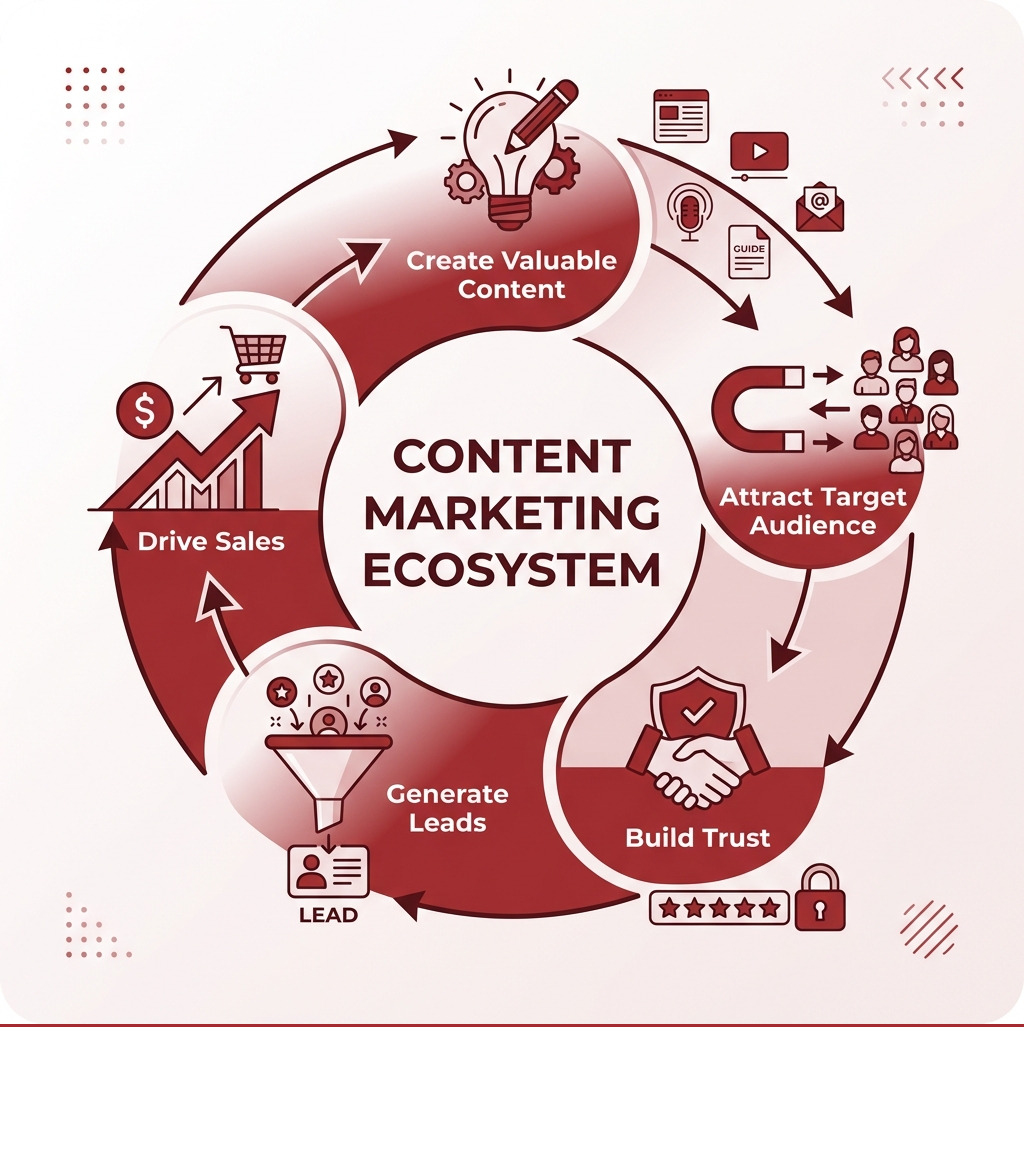
What is content marketing? It’s a strategy where you create and share helpful, relevant content — like blog posts, videos, or guides — to attract the right audience and earn their trust before asking them to buy anything.
Here’s a quick breakdown:
| Element | What It Means |
|---|---|
| What you create | Blog posts, videos, podcasts, emails, infographics, guides |
| Who it’s for | A clearly defined target audience |
| The goal | Build trust, generate leads, and drive sales over time |
| How it differs from ads | You provide value first — you don’t interrupt, you attract |
In short: instead of pushing your product in front of strangers, you earn their attention by being genuinely useful.
That’s a big deal when you consider that 93% of internet sessions start on a search engine. People are already looking for answers. Content marketing puts your business in front of them at exactly the right moment.
And the results are real. Businesses that blog consistently generate 67% more leads than those that don’t. Content marketing isn’t a nice-to-have — for 81% of marketers, it’s a core business strategy.
I’m Jeff Pratt, owner of JPG Designs, a Rhode Island digital agency where I’ve spent over 15 years helping businesses grow through SEO, web design, and digital marketing — including building content strategies that answer the question what is content marketing? in real, measurable results for our clients. If you’re a small or mid-sized business owner trying to cut through the noise online, this guide was written for you.
Simple what is content marketing? glossary:
What is Content Marketing and Why Does it Matter Today?
As we move through the current era, the digital landscape is more crowded than ever. Gone are the days when a simple “Buy Now” ad was enough to keep a business afloat. Today, consumers are savvy, shielded by ad-blockers, and frankly, a bit tired of being shouted at. This is where the strategic approach of content marketing saves the day.
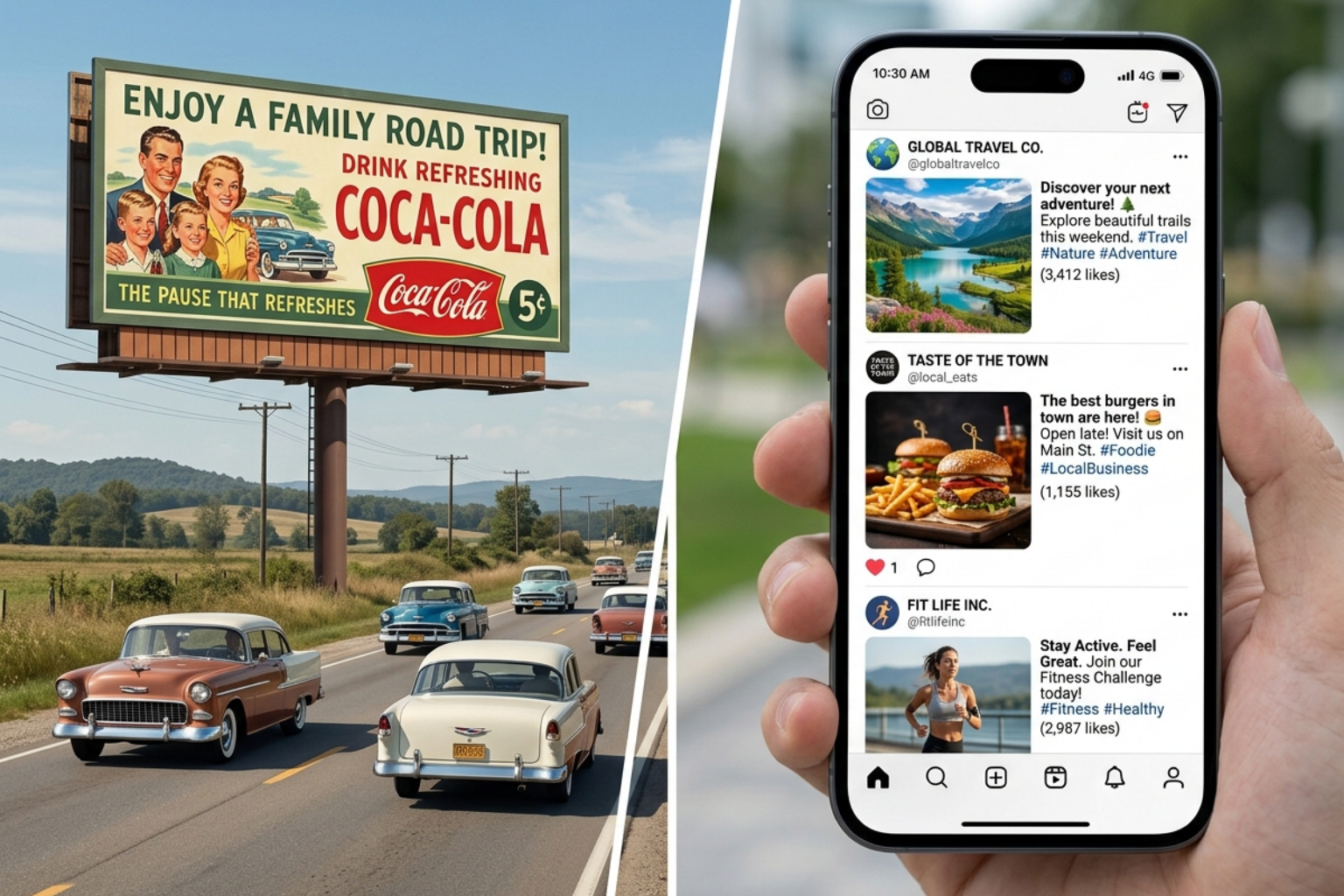
At its heart, answering what is content marketing? requires looking at the shift from traditional “interruption” marketing to “attraction” marketing. Instead of interrupting someone’s favorite show or news feed with a commercial, we provide the information they were searching for in the first place. Whether you are a local contractor in Providence or a professional service provider in Boston, your customers have questions. If you are the one providing the answers, you are the one they will hire.
The Evolution of the Conversation
Historically, marketing was a one-way street. You put up a billboard on I-95, and you hoped people saw it. In today’s landscape, marketing is a relationship. Content marketing allows us to build that relationship at scale. By focusing on audience retention, we aren’t just looking for a one-time click; we are looking to drive profitable action over the long haul.
This matters because 91% of marketers are now actively investing in this space. If your competitors are providing helpful guides and you are only providing “sales pitches,” you are essentially handing your leads over to them. To dive deeper into the fundamentals, check out this What is Content Marketing? A Beginners Guide from the American Marketing Association.
Defining What is Content Marketing for Modern Businesses
Let’s get technical for a moment, but keep it simple. According to the Content Marketing Institute, the official definition involves a “strategic marketing approach focused on creating and distributing valuable, relevant, and consistent content.”
But what does that actually mean for your business?
- Valuable: If a customer reads your blog or watches your video, do they walk away knowing something they didn’t know before? If it’s just a disguised sales pitch, it isn’t valuable.
- Relevant: If you run a landscaping company in Warwick, writing about tropical rainforests isn’t relevant. Writing about “How to prepare your Rhode Island lawn for a harsh winter” is.
- Consistent: You can’t post one blog in January and expect a flood of leads in April. It’s about building a library of expertise.
- Clearly Defined Audience: You aren’t talking to everyone. You are talking to your future customers.
By sticking to these pillars, you move away from “informational spam” and toward becoming a trusted authority in your field.
Solving Growth Pains: The Benefits of a Strategic Approach
Many business owners we talk to in Massachusetts and Rhode Island are feeling the “growth pains” of the modern digital era. Advertising costs on social platforms and search engines are at an all-time high. Ad fatigue is real—people have learned to tune out the noise.
This is where content marketing provides a clear solution. It builds brand authority and generates leads more cost-effectively than traditional ads. Stat from the intro? 67% more leads for businesses with blogs. That’s not just a random number; it’s a reflection of how people prefer to do business today.
We’ve explored this in depth in our own research: Is Content Still King? The answer is a resounding yes, but the “crown” now belongs to those who prioritize help over hype.
Mastering the Strategy: How to Implement Content That Converts
Creating content without a plan is like driving from East Greenwich to Worcester without a GPS—you might get there eventually, but you’re going to waste a lot of gas. An effective what is content marketing? strategy requires a documented roadmap.
| Feature | Content Marketing | Traditional Advertising |
|---|---|---|
| Primary Goal | Educate and Build Trust | Immediate Sales/Awareness |
| Longevity | Evergreen (lasts for years) | Temporary (stops when budget ends) |
| Cost | High initial effort, low long-term cost | Consistent high cost |
| Customer Reaction | Appreciation and Engagement | Often perceived as an interruption |
To start, you need to define your buyer personas. Who is your ideal customer? Are they a first-time homebuyer looking for renovation tips? A business owner needing better IT security? Once you know who they are, you can choose the right distribution channels—whether that’s your own website, an email newsletter, or social media platforms like LinkedIn or Instagram.
Mapping Content to the Customer Journey
One of the biggest mistakes we see is businesses trying to “close the deal” too early. Content marketing works best when it respects the customer’s journey.
- Awareness Stage: The customer realizes they have a problem. They are searching for information.
- Example: A homeowner notices a leak. They search for “Why is my ceiling damp?”
- Content: Educational blogs, “How-to” videos, or How to Write Content for Your Small Business Website.
- Consideration Stage: The customer is comparing solutions.
- Example: They know they need a plumber. They search for “Best plumbing materials for old homes.”
- Content: Case studies, checklists, or Beyond the Blog: Creative Content Strategies for Your Plumbing Business.
- Decision Stage: They are ready to hire.
- Example: They are looking for “Plumbers in Cranston with 5-star reviews.”
- Content: Testimonials, product demos, or a direct “Contact Us” offer.
The Role of SEO and AI in What is Content Marketing?
In today’s landscape, you cannot talk about content without talking about SEO and Artificial Intelligence. Search engines like Google have evolved to prioritize E-E-A-T (Experience, Expertise, Authoritativeness, and Trustworthiness). This means your content needs to be more than just “keyword-stuffed”; it needs to be genuinely expert-level.
At JPG Designs, we specialize in mobile-first indexing. Since most of your customers are likely reading your content on a smartphone while sitting in a coffee shop in Providence or on the commuter rail to Boston, your content must look and perform perfectly on mobile.
Furthermore, AI is changing the game. We use AI for automation and personalization—tailoring content to individual users based on their behavior. However, the “human touch” is still what wins the day. AI can help us draft, but your unique experience is what builds the trust. For more on this, read our guide on Content is King: Creating High-Quality SEO-Optimized Content.
Real-World Examples of Success
You don’t have to be a Fortune 500 company to win at content marketing. Look at these classic and modern examples:
- John Deere: Their magazine, The Furrow, has been providing farmers with helpful agricultural tips since 1895. They didn’t just sell tractors; they sold the knowledge of how to be a better farmer.
- Spotify Wrapped: A masterclass in personalized content. By giving users a “story” of their own data, Spotify creates a viral moment every year that users want to share.
- Local Success: We’ve seen local Rhode Island contractors transform their businesses by simply creating a “Frequently Asked Questions” video series. By answering the top 10 questions they get on every sales call, they pre-educate their leads, making the eventual sales process much smoother.
Measuring Success and Avoiding Common Pitfalls
How do you know if it’s working? You need quantifiable KPIs (Key Performance Indicators).
- Organic Traffic: Are more people finding your site through search?
- Conversion Rates: Are readers signing up for your newsletter or calling for a quote?
- Engagement: Are people sharing your videos or commenting on your posts?
Common Mistakes to Avoid:
- The Direct Selling Trap: If every blog post ends with “BUY NOW OR ELSE,” people will stop reading. Focus on being a resource first.
- Consistency Issues: Posting five blogs in one week and then nothing for three months kills your momentum.
- Ignoring Data: If your analytics show that nobody is watching your 20-minute videos but everyone is reading your “Top 5 Tips” lists, pivot your strategy!
Check out The 10 Ingredients of Great Content Writing to ensure your pieces are hitting the mark every time.
Conclusion: Building Your Digital Legacy
Content marketing is not a “get rich quick” scheme. It’s a long-term investment in your brand’s digital legacy. By consistently showing up and providing value, you build a community of loyal customers who don’t just buy from you once—they become advocates for your business.
At JPG Designs, we understand that as a business owner, you’re wearing ten different hats. You might not have the time to write three blogs a week or edit video content. That’s where we come in. We combine our expertise in mobile-first web design with high-level SEO and content strategies to help you outrank the competition and turn “searchers” into “customers.”
Ready to stop shouting and start attracting? Let’s build something great together.
- Explore our Digital Marketing Services
- Learn more About Us
- See our Success Stories
- Contact Us today to start your journey.
Whether you are in Rhode Island or Massachusetts, your audience is looking for answers. Let’s make sure they find them—and you—first.